
Thematic Areas: Climate Adaptation
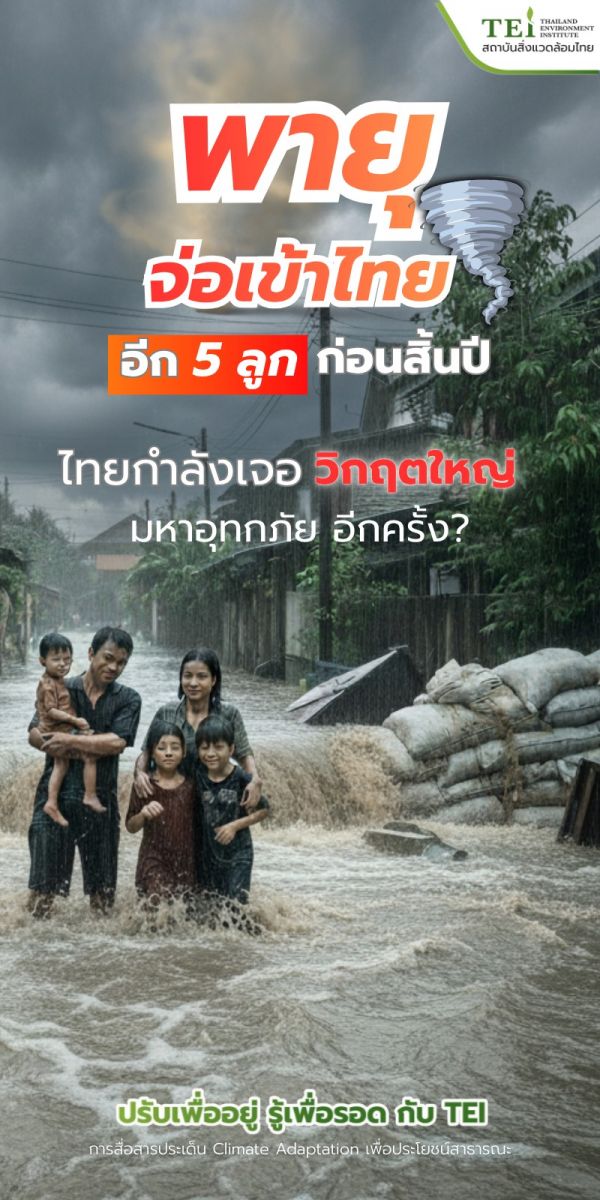
Five More Storms Poised to Hit Thailand: A Soaking Wet Surprise for the New Year!
Is this Thailand's "Year of Water," or a repeat of 2011? The year of massive runoff, heavy rain, and mega-floods!
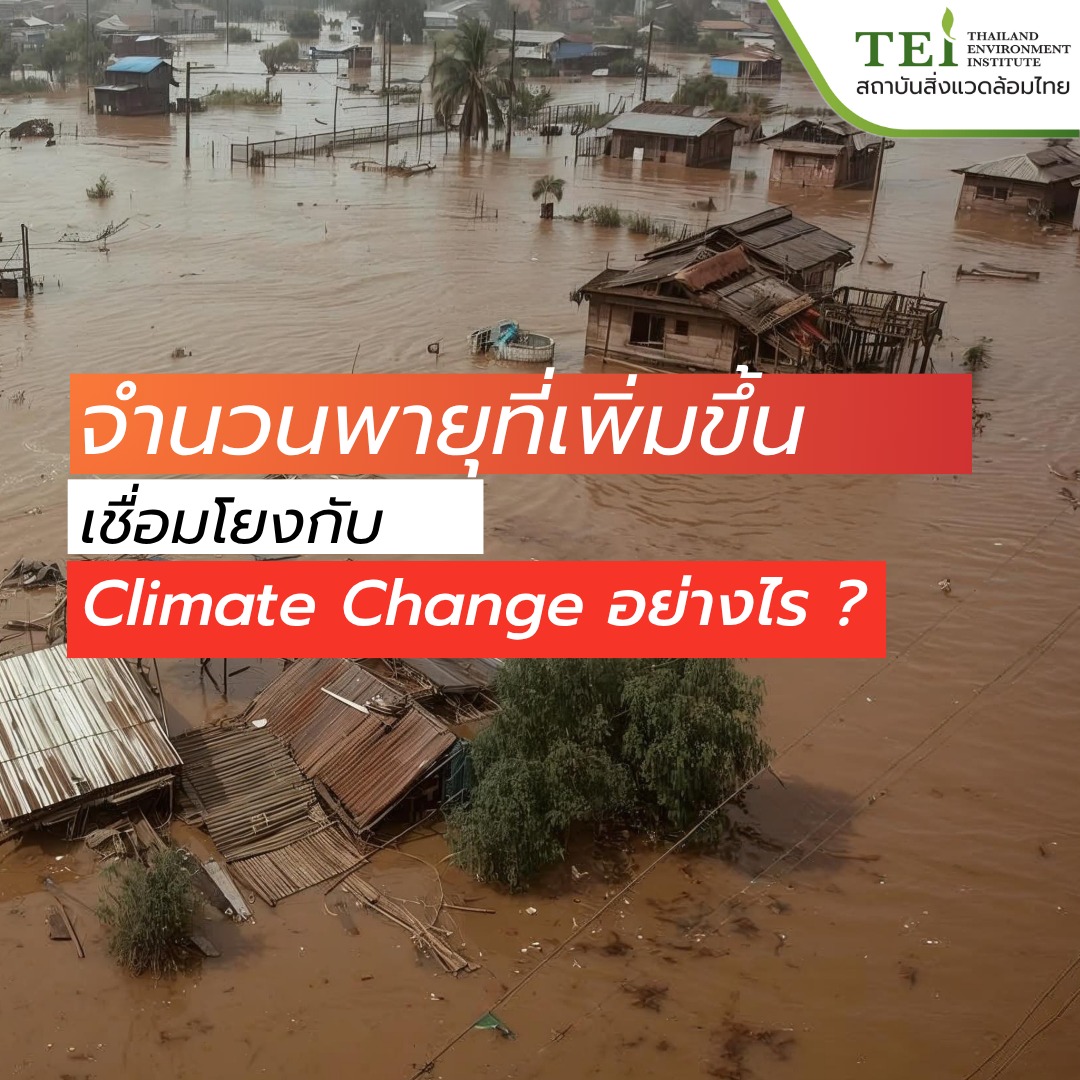
The Thailand Environment Institute (TEI) has revealed that the end of this year might keep us on the edge of our seats again, with a chance of 4–5 more tropical storms. While it is too early to say if they will make a direct hit on Thailand, the atmospheric pressure and moisture mass from the sea will definitely affect us. Heavy rain may return in waves, bringing waterlogging, traffic jams, slippery roads, and—for some—the hardship of flooding once again.
Data from November 7, 2025: The influence of a tropical storm forming near the South China Sea, even without making a direct landfall in Thailand, has driven massive moisture into the country, triggering heavy to very heavy rain in many areas.
Abnormally High Rainfall: The Thai Meteorological Department notes that some areas are seeing an average rainfall exceeding 90 millimeters per day. Meanwhile, the Department of Disaster Prevention and Mitigation (DDPM) has issued warnings for 66 provinces nationwide to watch for flash floods, river overflows, and landslides.
Rising Major River Levels: Storm influence is raising water levels in major rivers, particularly the Chao Phraya River, which is receiving water masses from the North and Upper Northeast.
Worrisome Dam Situation: Water levels in major dams nationwide are at concerning levels. Specifically, the Bhumibol Dam in Tak Province is currently at over 99% capacity (data as of Nov 10, from the Royal Irrigation Department). This necessitates advance water release plans to prevent the dam from overflowing.
This signals that storms and disasters are intensifying due to erratic weather patterns caused by Climate Change and the fragility of regional river basins.
Storms in the second half of 2025 caused major flooding, striking hardest in the North and Northeast with flash floods and river overflows. Nan Province was hit the hardest, affecting over 206,000 people and damaging over 22,000 rai of agricultural land. What we are witnessing now is not just unseasonal weather, but the result of Climate Change making Thailand's seasons unrecognizable. Cold winds arrive later than usual, while the rain persists longer than every other year.
The weather isn't just fluctuating; it has "changed completely." Rain that should have ended is dragging on. Storms that usually come mid-year are stretching in waves until the year's end. This abnormality is something we must learn from and adapt to immediately. We can no longer just wait and watch the news; today is the time to "prepare to handle the problem." This is no longer a choice, but a means of survival.
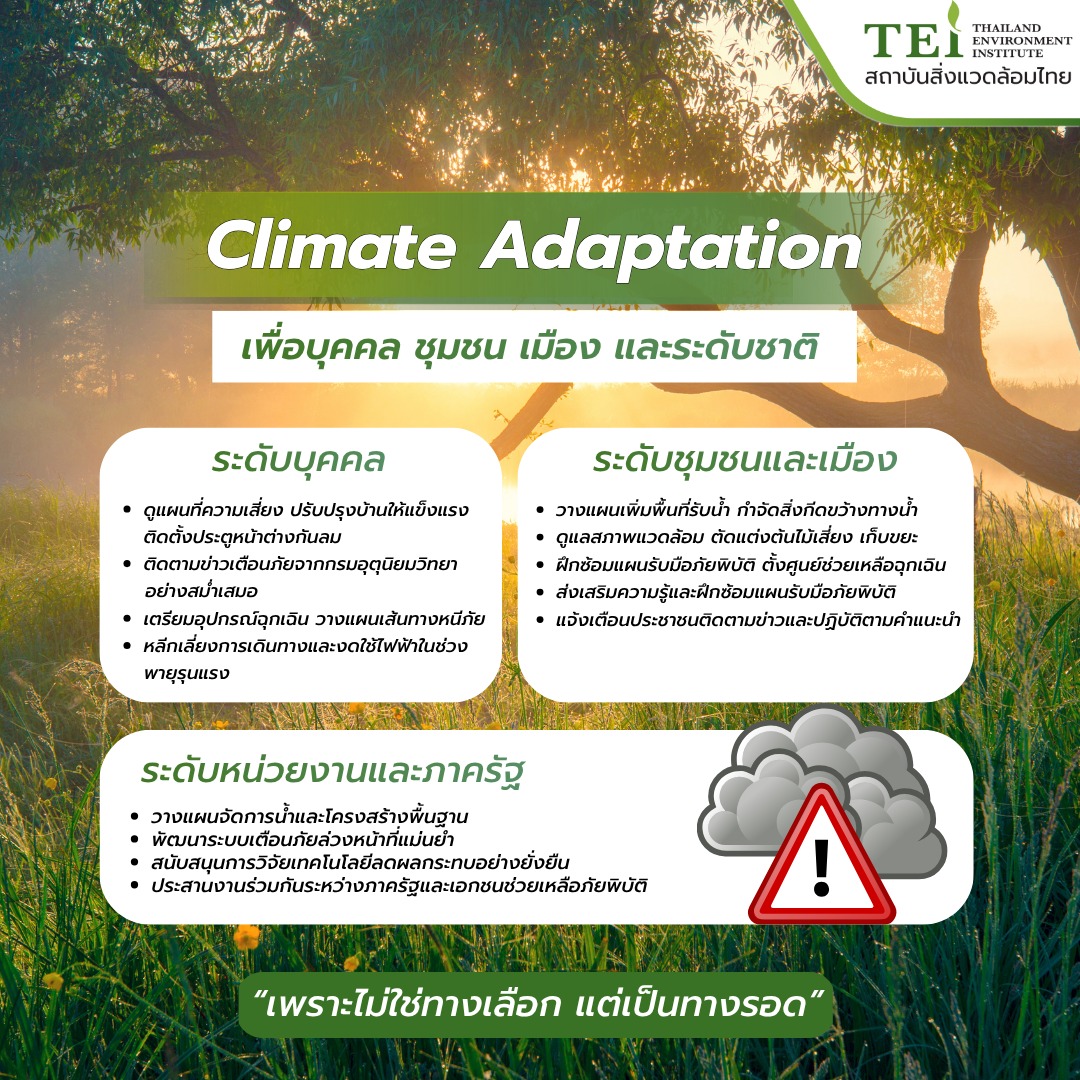
The Thailand Environment Institute (TEI) proposes guidelines for Climate Adaptation under the concept "Adjust to Live, Know to Survive," divided into three levels:
1. Individual Level
Study long-term risk maps and renovate homes to be consistent with water levels and wind strength (e.g., installing wind-proof windows and checking/repairing home structures).
Follow news and warning announcements from the Meteorological Department closely and consistently.
Prepare emergency kits (drinking water, food, medicine, flashlights) and plan safe evacuation routes.
Avoid travel during severe storms and unplug electrical appliances to prevent danger from lightning strikes.
2. Community and City Level
Study long-term risk maps. Plan to increase water retention areas ("monkey cheeks"), delay water flow, and clear waterway obstructions.
Maintain the environment around the community, such as pruning trees at risk of falling and removing trash that might block drainage.
Build awareness and practice disaster response drills within families and communities.
Establish assembly points and community aid centers for emergencies.
Alert residents to follow news and adhere to advice from relevant agencies.
3. Agency and Government Level
Plan water management and infrastructure to support storms and floods.
Promote education and R&D of technology for sustainable warning systems and impact reduction.
Develop precise early warning systems that are accessible to people at all levels.
Integrate cooperation between public and private sector agencies for disaster relief. Survival in an era where everything has changed requires serious action.
The Thailand Environment Institute (TEI) stands as an organization capable of prioritizing Climate Adaptation communication for the public benefit. They emphasize clearly that preparedness under the "Adjust to Live, Know to Survive" approach—at the individual, community, and government levels—is not an option, but the only path to survival. It is essential to reduce risk, build immunity, and help Thailand sustainably overcome this extreme weather crisis.

Share: