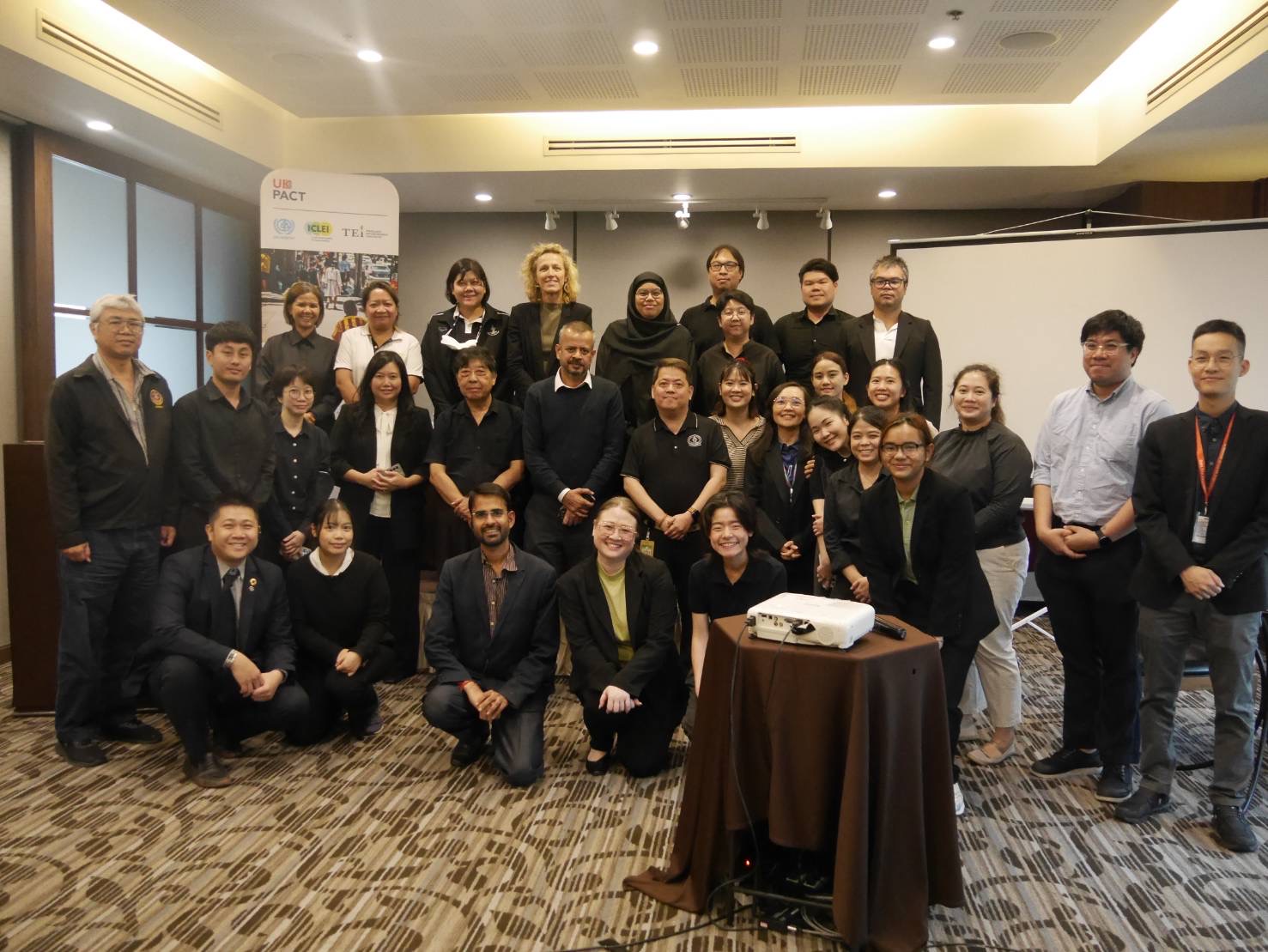
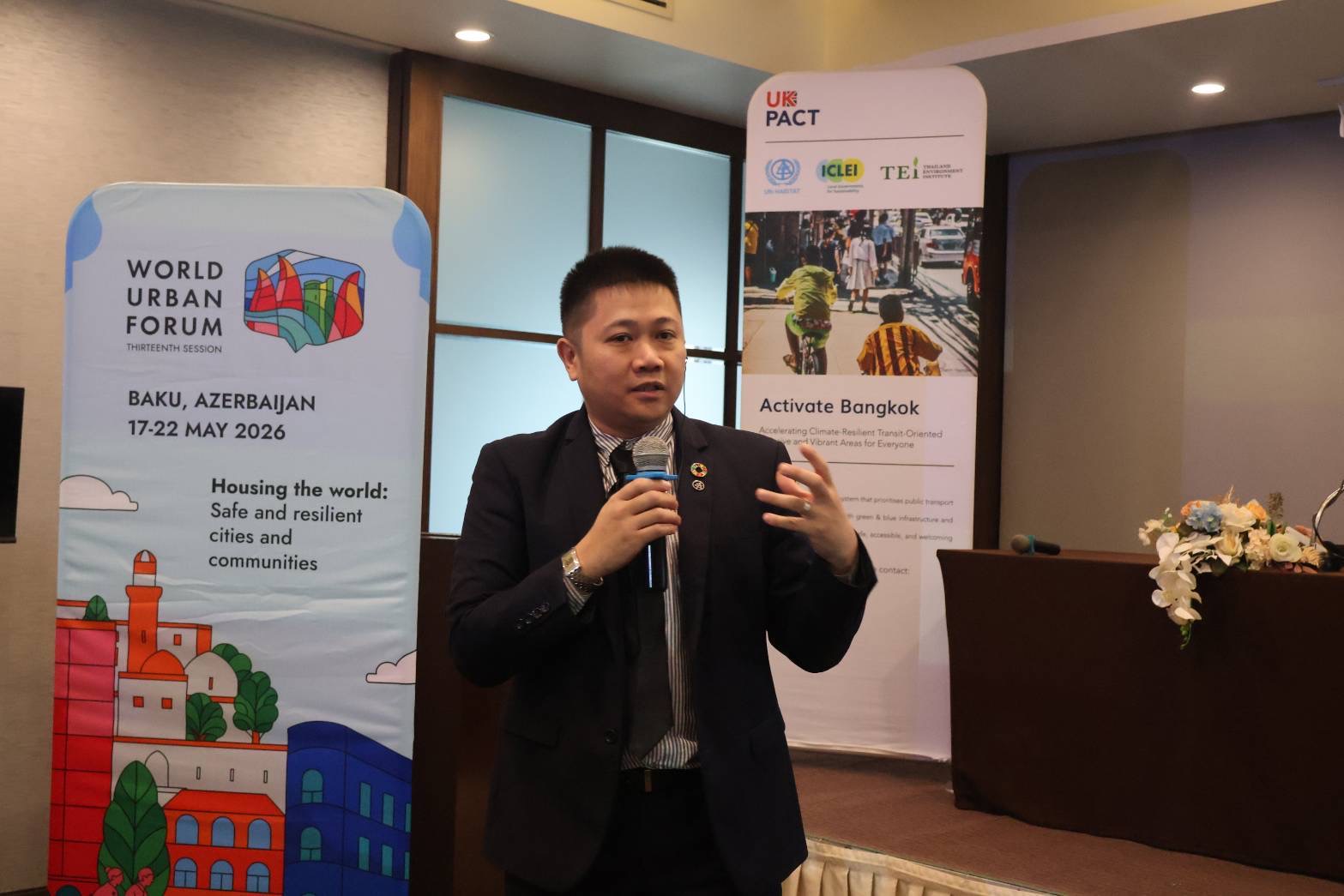
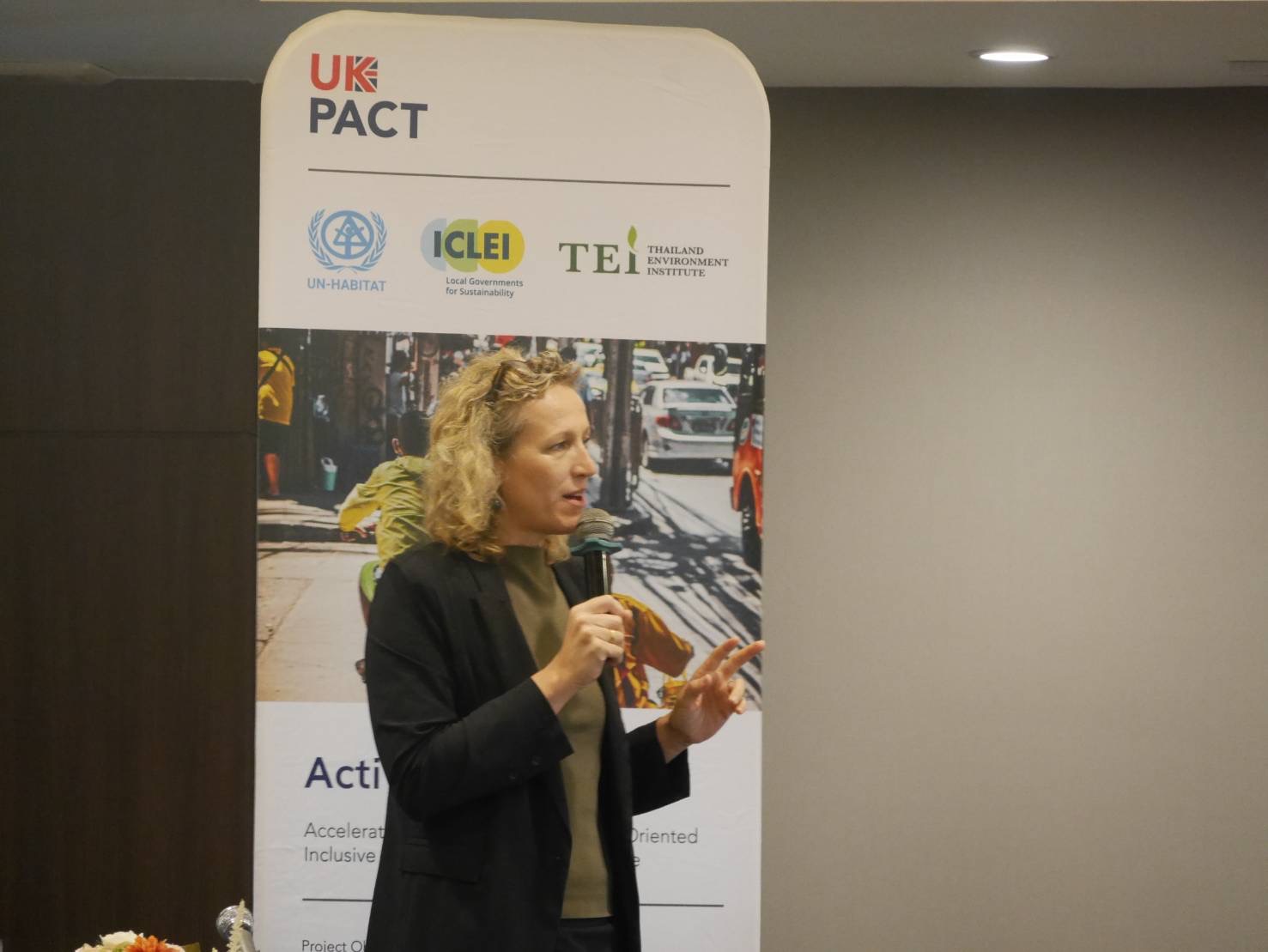
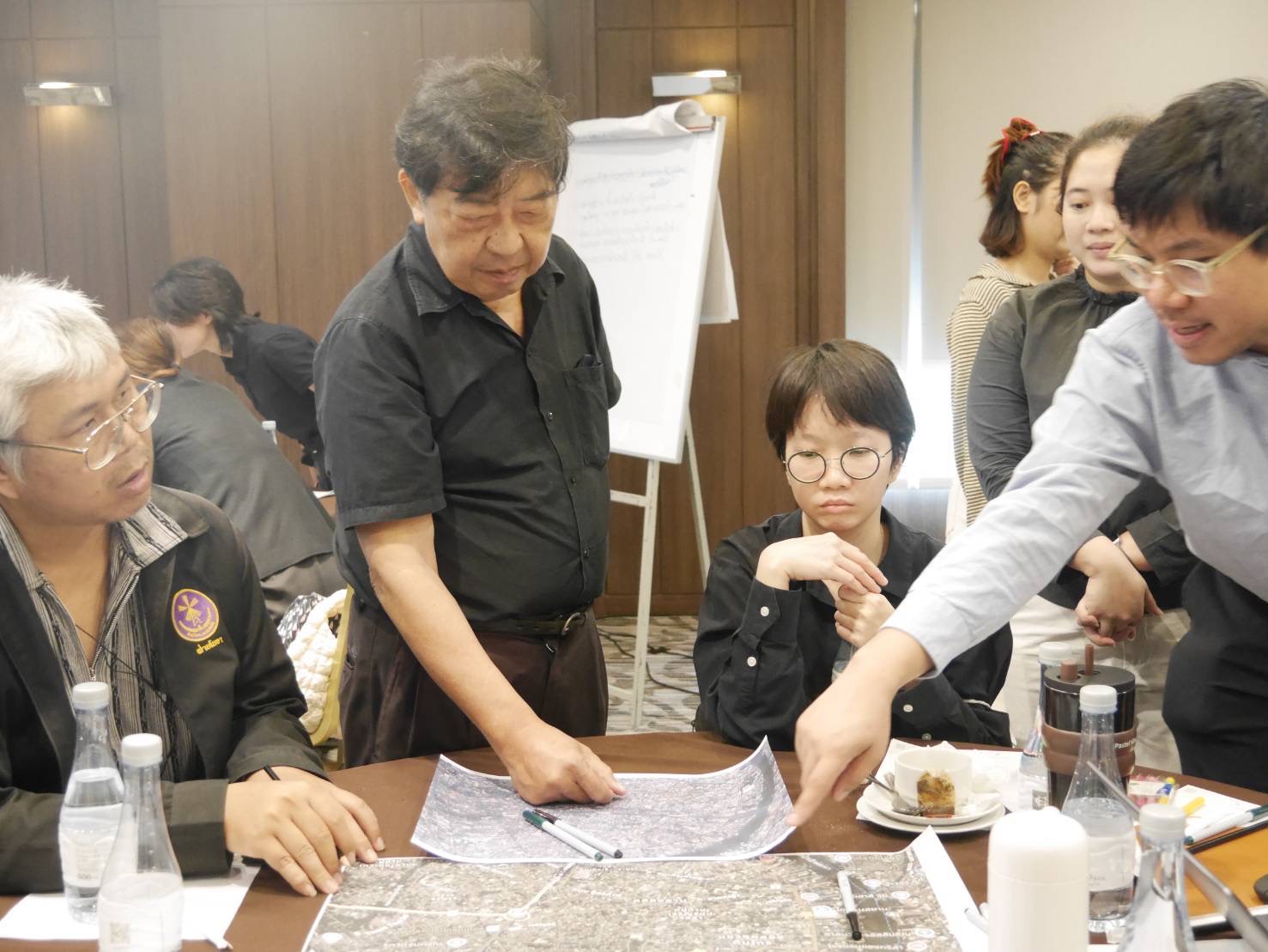
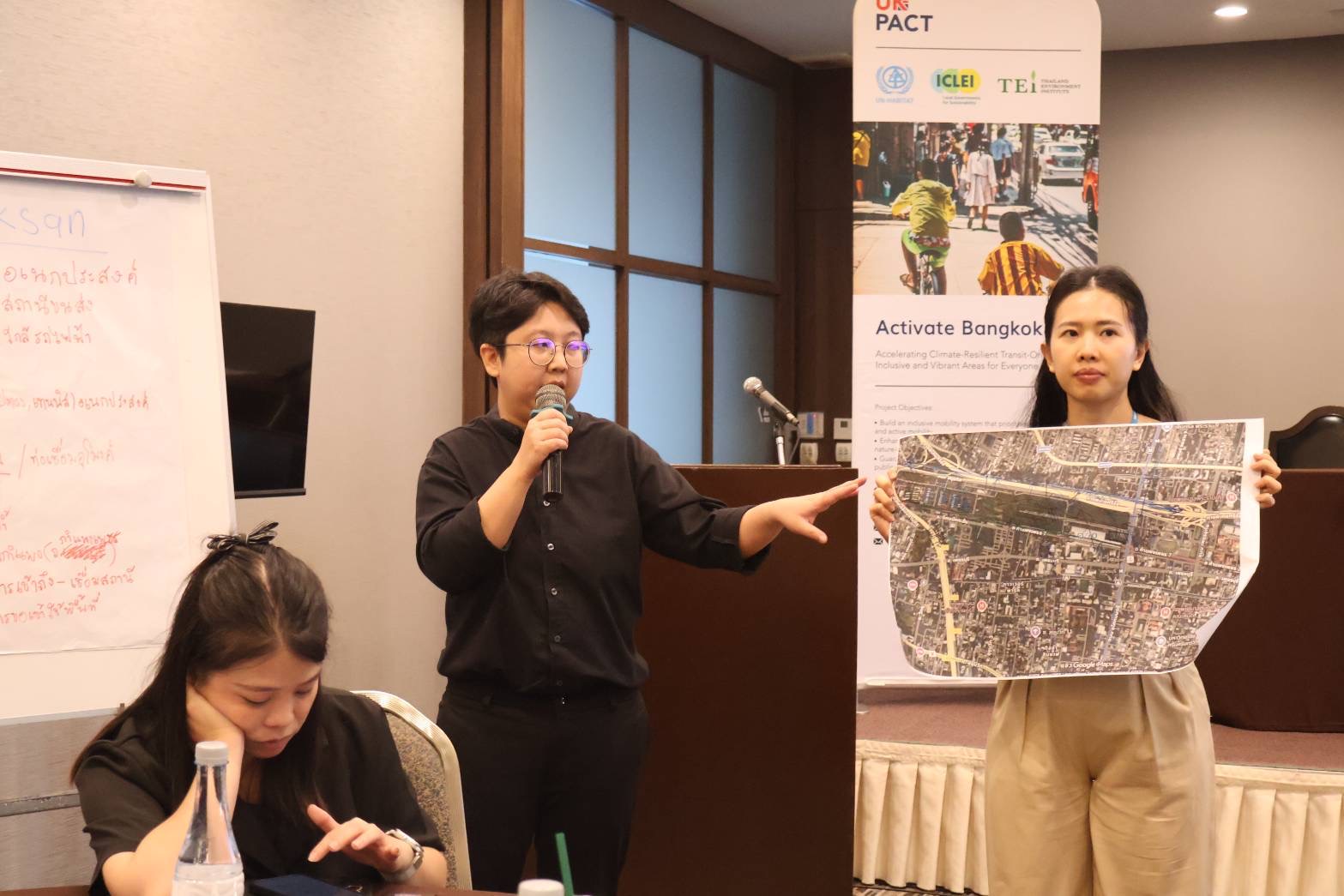
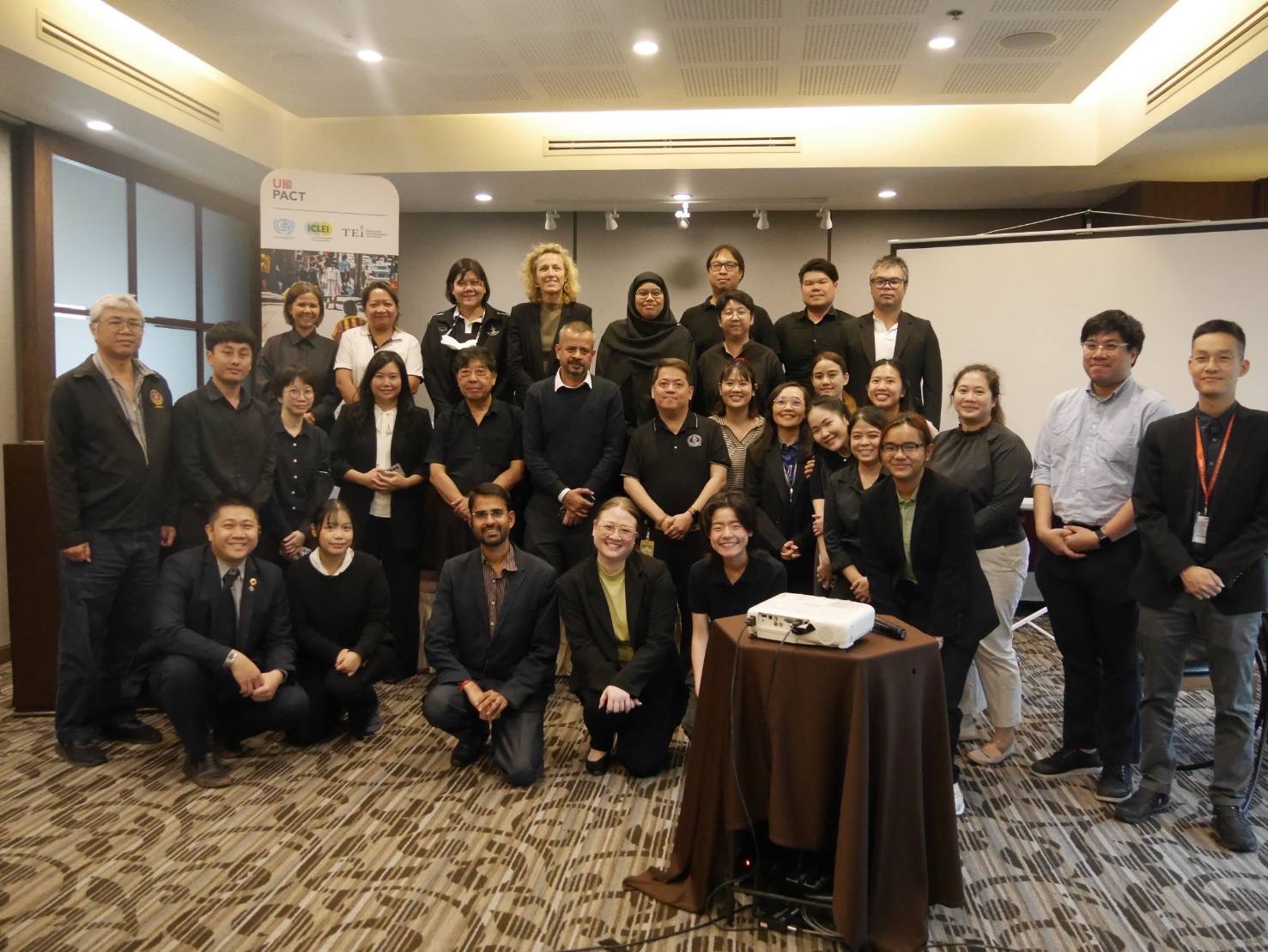
UN-Habitat, in collaboration with ICLEI and TEI under the ACTIVATE Bangkok Project (which is supported by the Thailand-UK PACT programme ), is hosting a two-day workshop focused on Climate Adaptation and Nature-Based Solutions on December 15–16, 2025. The event is part of the Training and Workshop Series 2025–2026 , which aims to equip city planners, local authorities, and stakeholders with the knowledge to implement inclusive and resilient transit-oriented development (TOD), climate resilience, and gender inclusivity interventions. The specific objective of this two-day session is to integrate urban green infrastructure into city planning.
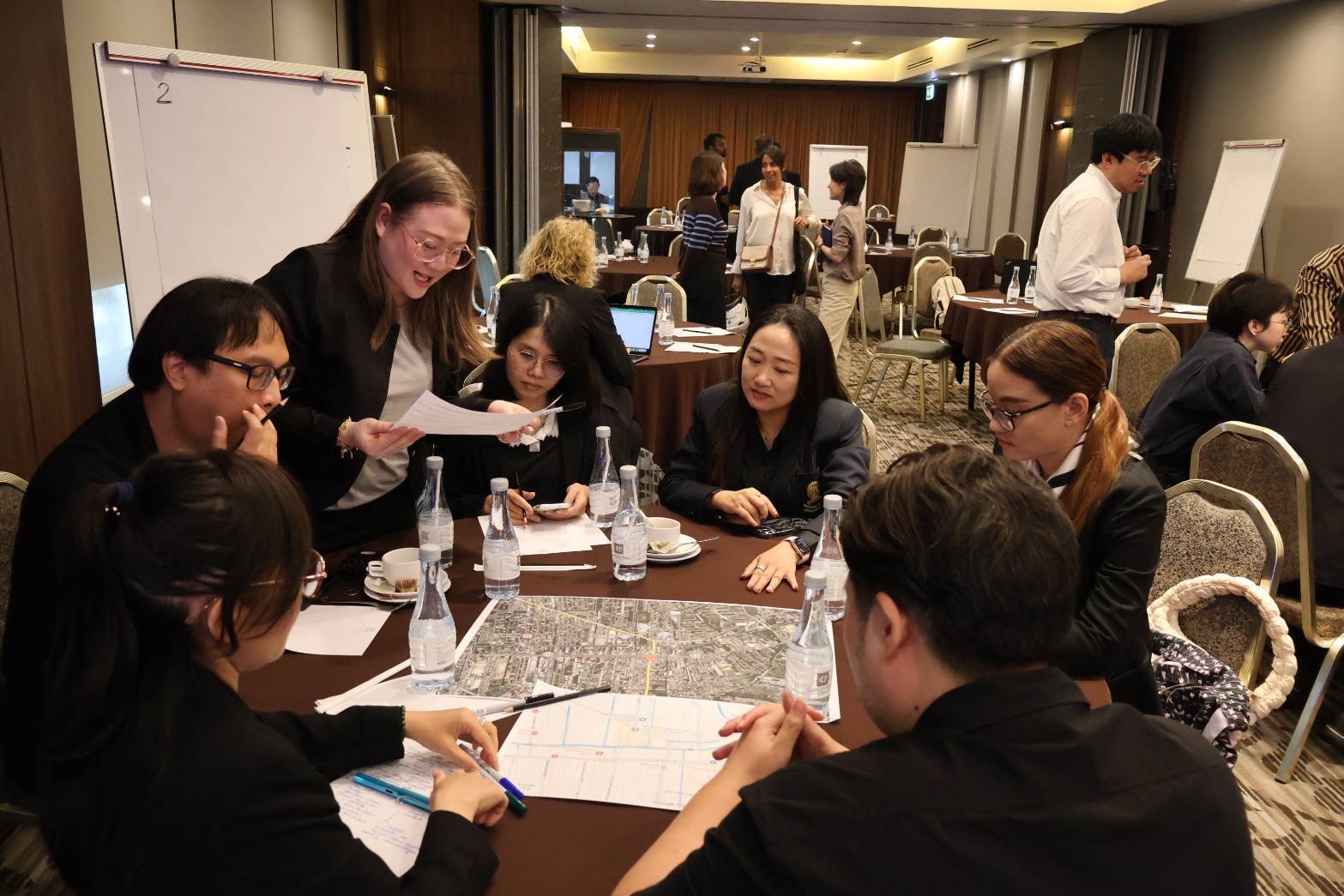
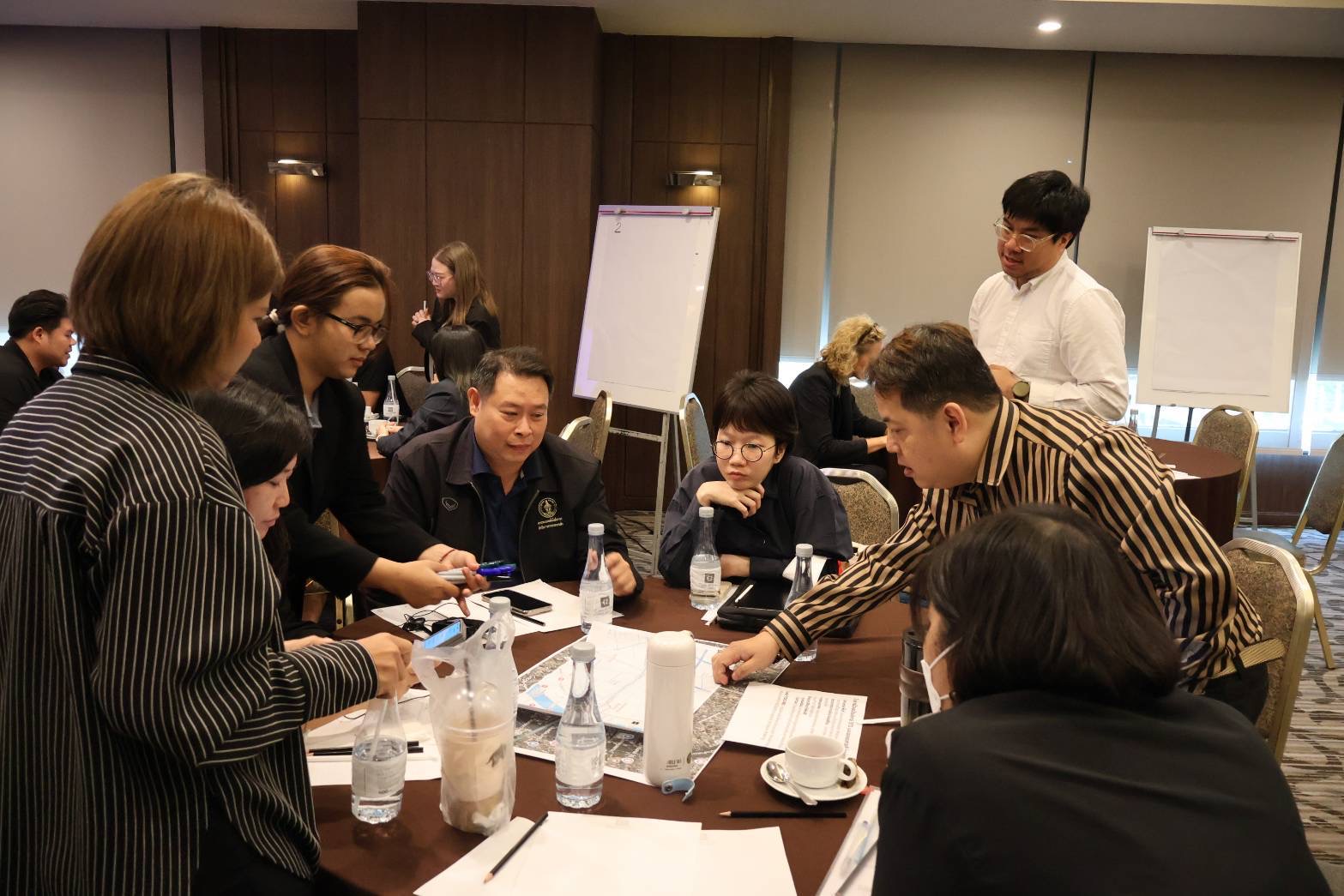
The key participants include Bangkok Metropolitan Administration (BMA) officials, urban planners, transport authorities, community representatives, civil society organizations, the private sector, and development partners. The workshop features presentations and interactive group activities from host organizations, including UN-Habitat, ICLEI, the Thailand Environment Institute (TEI), and Chulalongkorn University.
Key Highlights from presentations include:
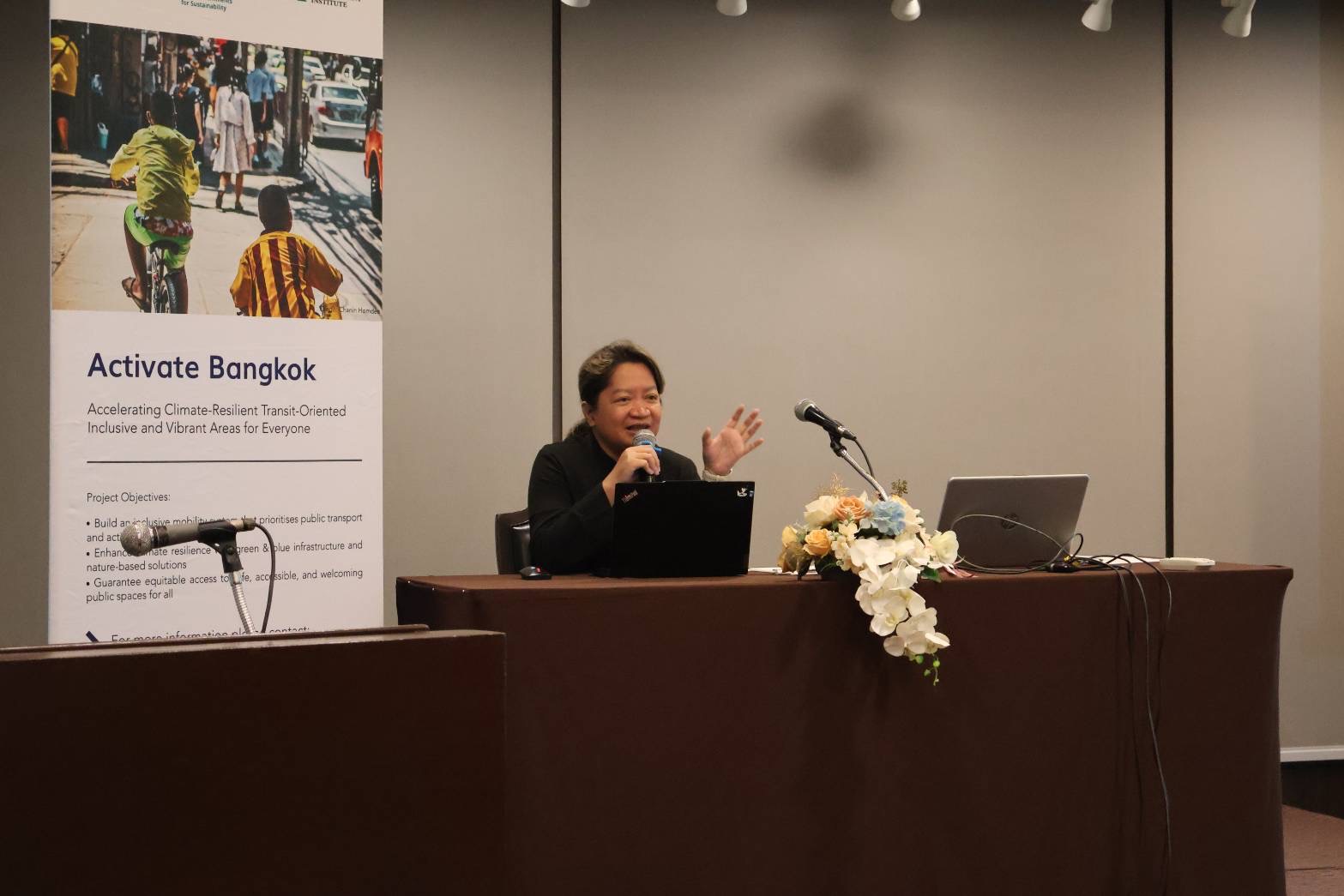
- “The climate risks that Bangkok is facing include urban heat, flood, and coastal erosion. It is important to start being aware of this now, since prevention is always cheaper than the restoration.” said Dr. Nantamol from Chulalongkorn University.
- “We who live with air conditioning may not realize that Bangkok is getting hotter, and this is becoming more serious these days,” said Dr. Jeeranuch, TEI.
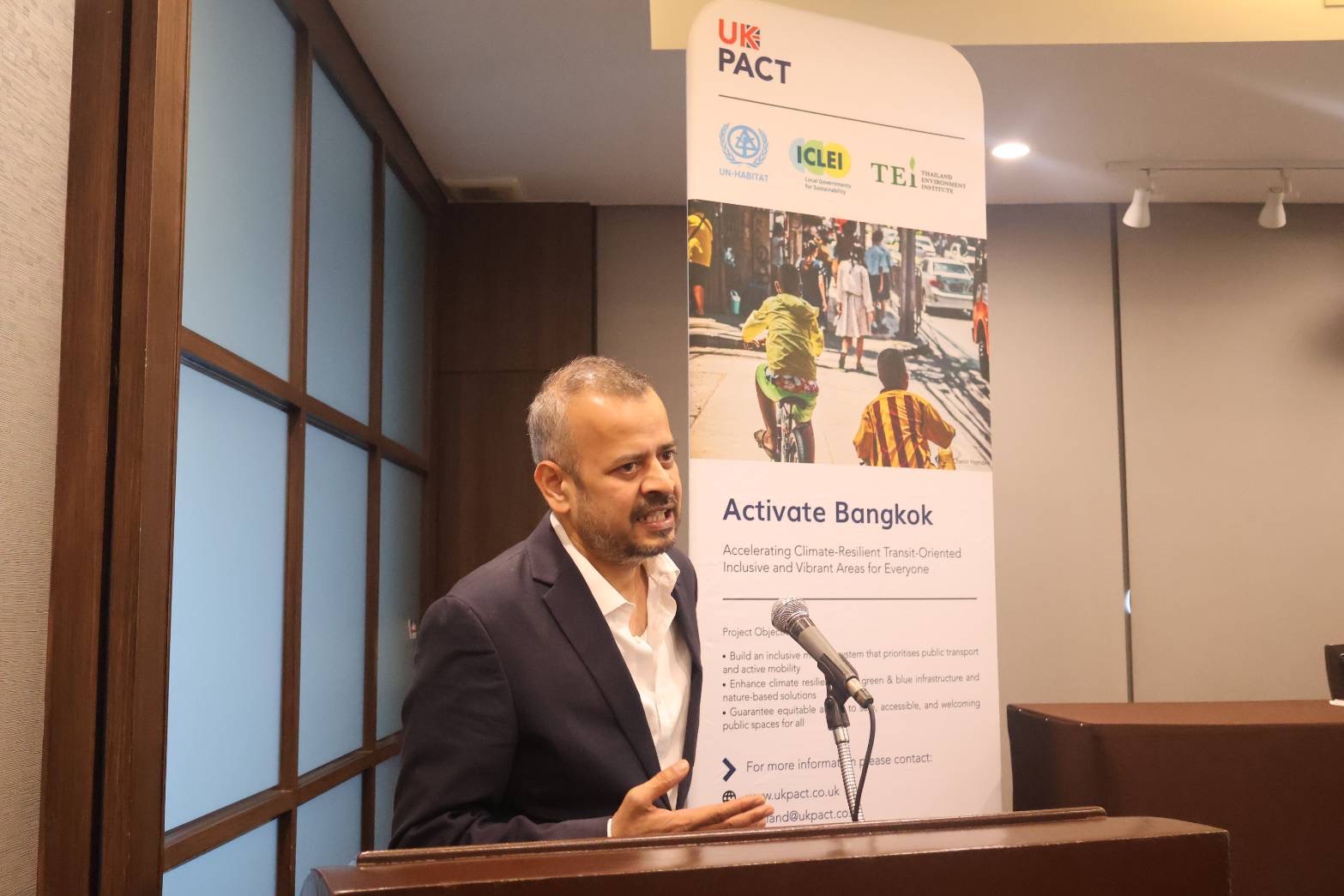
- “TOD is pivotal to ensure equity in development such that communities are connected to employment centres, recreation venues, and necessary amenities while emissions from enabling public transport are reduced.” Divya Prakash from ICLEI.
- “We should be able to see the very far future and understand the coming consequences to enhance sustainable cities,” said Dr. Thongchai.
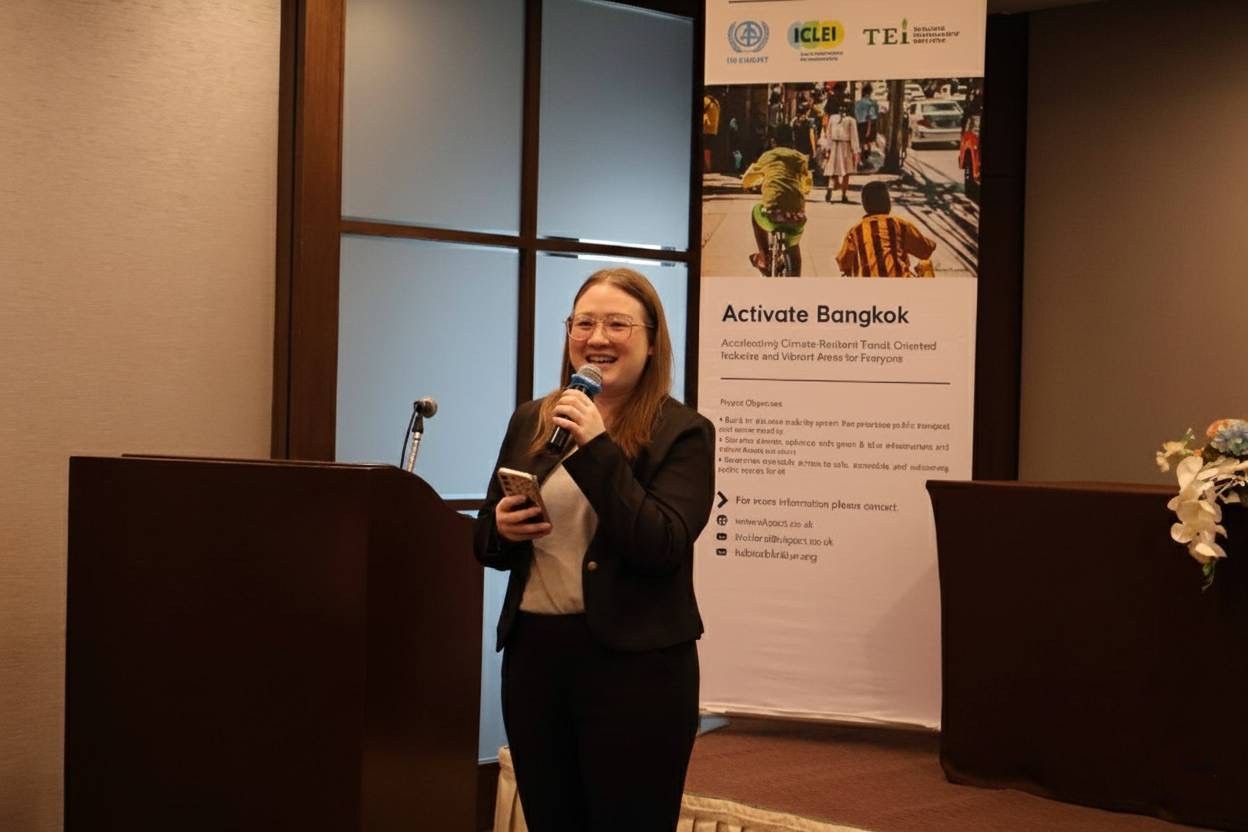
- “One small implementation can lead to an impact and valuable change, and this discussion is considered the first move for us all,” said Naomi Hoogervorst, UN-Habitat.
Throughout the two-day workshop, the participants gained knowledge and were able to integrate TOD and NbS concepts toward the given case study. This workshop series is a crucial part of the ACTIVATE project's mission to enhance sustainable urban mobility, climate resilience, and community engagement in the Bangkok Metropolitan Area.


Share: